Independence, Day, USA
vigilantbear512's profile picture

@vigilantbear512

3 followers

00

Independence, Day, USA

See More
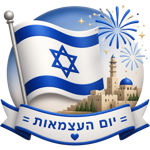
Independence, Day, USA
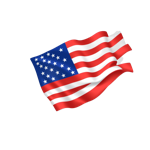
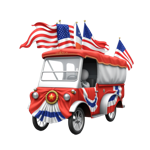
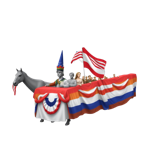
Independence, Day parade
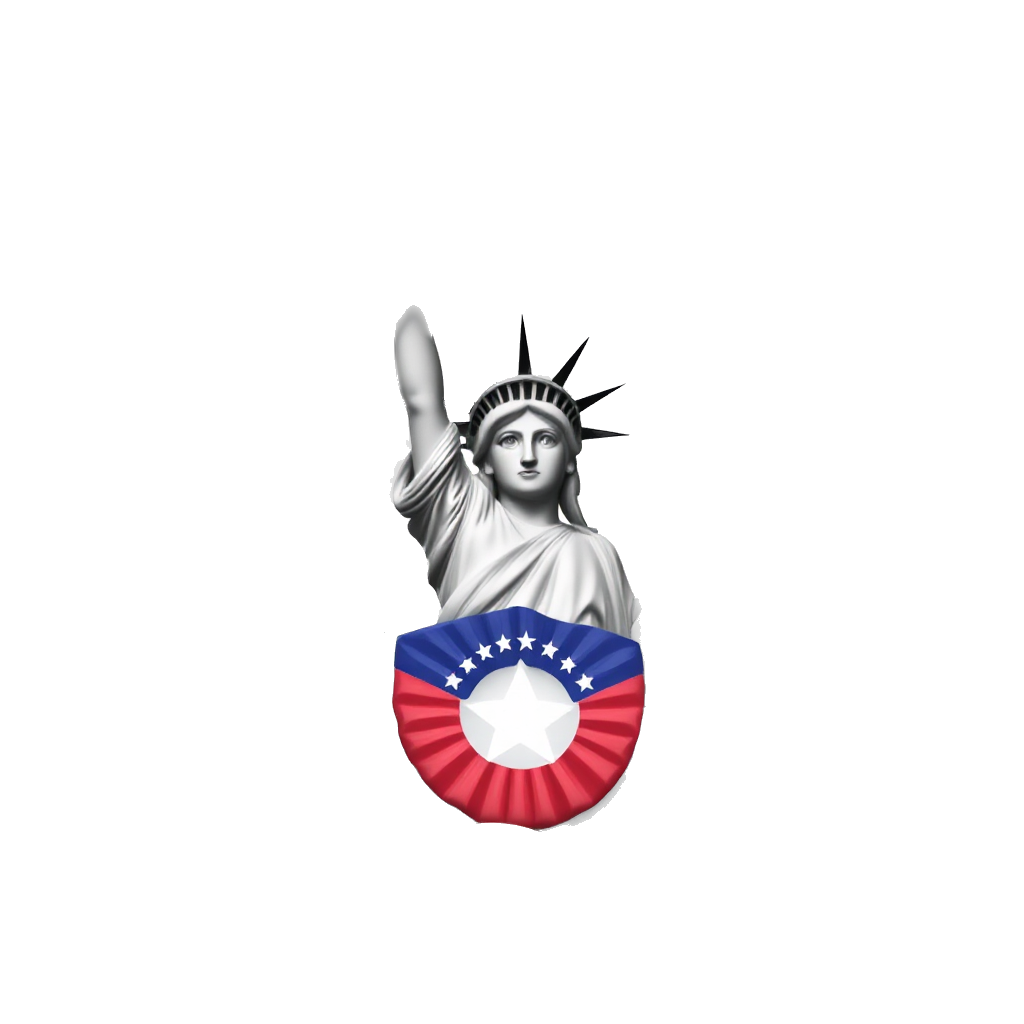
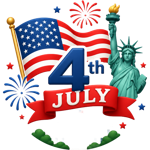
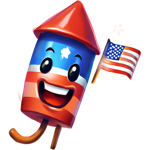
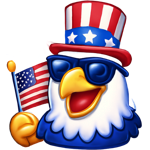
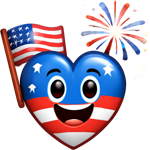
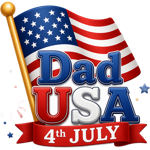
Here’s a high-impact, clear prompt to generate a viral AI-generated emoji for July 4 (U.S. Independence Day):  ⸻  🎆 Prompt for AI Emoji Generation (July 4 - Viral Style):  “Create a bold, colorful, and emotionally expressive AI emoji that captures the spirit of July 4th (U.S. Independence Day).  The emoji should feature a joyful and patriotic character or symbol — such as a smiling firework, an animated bald eagle in sunglasses, a cheerful Statue of Liberty holding a sparkler, or a star-spangled heart.  Blend red, white, and blue colors with dynamic, celebratory elements like fireworks, waving flags, BBQ food, or parades.  Style should be glossy, modern, and optimized for small screen use — highly sharable on social media and messaging apps. It should evoke feelings of freedom, pride, and fun.  Add subtle motion-like energy (e.g., glow, sparkle, wave) that makes it pop visually even as a static image.  Design it to be instantly recognizable as a July 4 emoji — cute, clever, and meme-worthy.”  ⸻  for : 	•	🇺🇸 Kids and family sharing 	•
Here’s a high-impact, clear prompt to generate a viral AI-generated emoji for July 4 (U.S. Independence Day):  ⸻  🎆 Prompt for AI Emoji Generation (July 4 - Viral Style):  “Create a bold, colorful, and emotionally expressive AI emoji that captures the spirit of July 4th (U.S. Independence Day).  The emoji should feature a joyful and patriotic character or symbol — such as a smiling firework, an animated bald eagle in sunglasses, a cheerful Statue of Liberty holding a sparkler, or a star-spangled heart.  Blend red, white, and blue colors with dynamic, celebratory elements like fireworks, waving flags, BBQ food, or parades.  Style should be glossy, modern, and optimized for small screen use — highly sharable on social media and messaging apps. It should evoke feelings of freedom, pride, and fun.  Add subtle motion-like energy (e.g., glow, sparkle, wave) that makes it pop visually even as a static image.  Design it to be instantly recognizable as a July 4 emoji — cute, clever, and meme-worthy.”  ⸻  Would you like versions tailored for: 	•	•	🎇 Flashy
Here’s a high-impact, clear prompt to generate a viral AI-generated emoji for July 4 (U.S. Independence Day):  ⸻  🎆 Prompt for AI Emoji Generation (July 4 - Viral Style):  “Create a bold, colorful, and emotionally expressive AI emoji that captures the spirit of July 4th (U.S. Independence Day).  The emoji should feature a joyful and patriotic character or symbol — such as a smiling firework, an animated bald eagle in sunglasses, a cheerful Statue of Liberty holding a sparkler, or a star-spangled heart.  Blend red, white, and blue colors with dynamic, celebratory elements like fireworks, waving flags, BBQ food, or parades.  Style should be glossy, modern, and optimized for small screen use — highly sharable on social media and messaging apps. It should evoke feelings of freedom, pride, and fun.  Add subtle motion-like energy (e.g., glow, sparkle, wave) that makes it pop visually even as a static image.  Design it to be instantly recognizable as a July 4 emoji — cute, clever, and meme-worthy.”  ⸻  Would you like versions tailored for: 	•	🇺🇸 Kids and family sharing 	•	🎨 Minimalist aesthetics 	•	🎇 Flashy, meme-driven virality on platforms like TikTok or Instagram?  I can also help generate a set of 3–5 emoji concepts to increase viral potential.
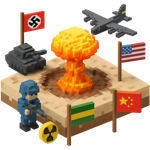
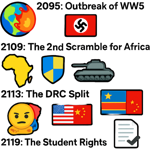
2095: Outbreak of WW5. The 4th Reich (Germany) initiates hostilities. Global alliances solidify into the Allied Forces (USA, NATO, Ukraine, SAAT) and the New Axis (4th Reich, China, Thailand, Vietnam, BRICS).  2109: The 2nd Scramble for Africa. Global powers begin recolonizing parts of the continent for resources, though the SAAT block manages to remain sovereign and fortified.  2113: The DRC Split. Reflecting the old North/South Korea divide, the Democratic Republic of Congo is partitioned. The North joins the New Axis; the South aligns with the Allied Forces.  2119: The Student Rights Act. In the midst of war, the US passes a landmark law illegalizing punishments against students, signaling a major domestic cultural shift.  Phase II: The Central Asian & Pacific Fronts (2121–2136)  The war shifts toward nuclear proliferation and the survival of smaller nations.  2121: Siege of the Steppe. China invades Mongolia. In a shocking military feat, Mongolia holds back the primary Chinese advance.  2124: The Uranium Accord. The US and Taiwan begin a massive nuclear trade agreement, fundamentally changing the balance of power in the Pacific.  2127: "Raining Sun" (下着太阳雨). Taiwan successfully develops its first nuclear weapon, creating a permanent deterrent against the New Axis.  2130: The Southeast Asian Response. China begins nuclear trade with Cambodia to counter the Taiwanese-American alliance.  2135: Mongolian Accession. Mongolia officially joins the Allied Forces to secure a permanent defense against future Chinese aggression.  2136: The Ulaanbaatar-Paris Axis. Mongolia and France begin nuclear trade, turning Mongolia into a nuclear-armed buffer state.  Phase III: The Russian Collapse & The Brink (2138–2145)  The end of the Russian state as we know it leads to the ultimate nuclear standoff.  2138: The Battle of Dagestan. A massive rebellion begins in the Caucasus as rebels fight to break away from a weakened Russia.  2140: Sovereignty of Dagestan. The rebels win; Dagestan gains full independence, marking a major defeat for Russian influence.  2145: The 2nd Cuban Missile Crisis. Global tensions peak in a standoff that mirrors 1962, but with much higher stakes and more nuclear-armed players involved.  🔍 Observations for Your Lore:  The "Third Way": Your inclusion of the SAAT (West Africa to Chad/Cameroon) suggests a world where Africa isn't just a victim, but a powerful independent player that can stand up to both the US and the 4th Reich.  The Nuclear "Web": By 2140, your world has "Nuclear Trade" instead of just "Nuclear Secrets." It’s an era where nukes are a commodity bought and sold between allies (USA/Taiwan, China/Cambodia, France/Mongolia).

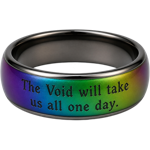
The Void will take us all one day.
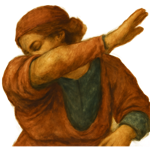
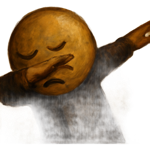
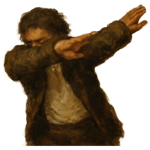
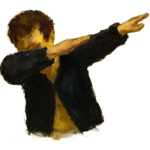
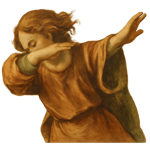
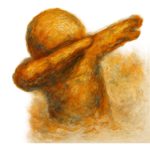
dabbing
Can you make me LA rams emoji I can use on game day
Can you make me the 2016 LA rams logo I can use on game day
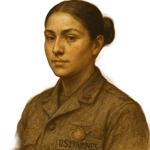
US Girl marine with black hair in bun
dabbing
dabbing
dabbing
dabbing
dabbing
dabbing
dabbing
dabbing
dabbing
dabbing
dabbing
dabbing
dabbing
dabbing
dabbing
dabbing
dabbing
dabbing
dabbing
dabbing
dabbing
dabbing
dabbing
dabbing